There is a number we are quietly proud of: 500. As of April 2026, Rotorua Ziplines has been responsible for eradicating more than 500 pests from the Ōkere Scenic Reserve. Rats, possums, stoats, ferrets — gone. And with each one removed, the ngahere (forest) gets a little stronger.
Our Trap Lines: The Basics
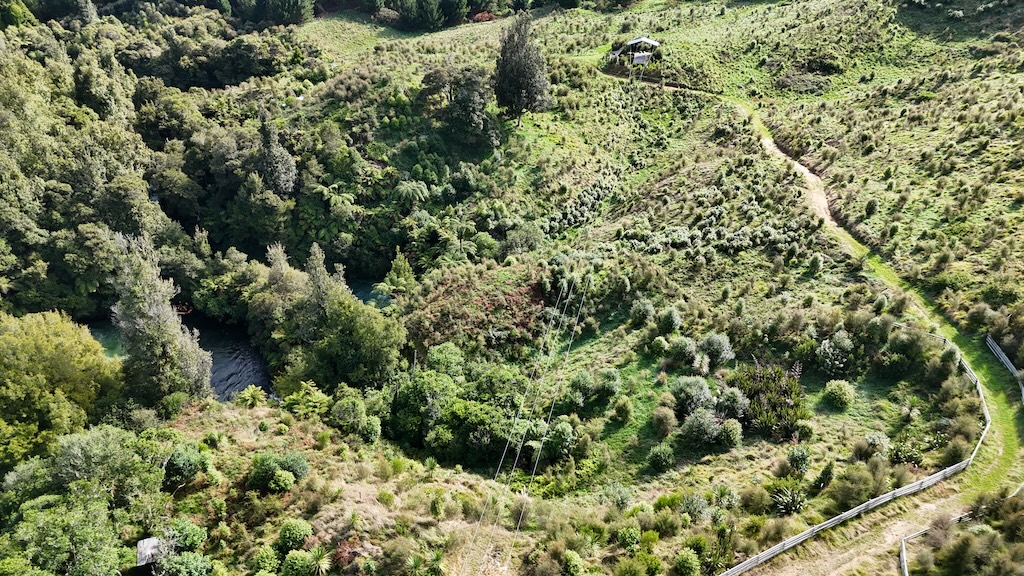
We run trapping lines throughout our zipline course and the surrounding Ōkere Scenic Reserve, covering around 12 hectares of native bush. This work is done in partnership with Predator Free Ōkere Falls, a community conservation project working to push predator numbers down across the wider area. Our traps target rats, possums, stoats, and other introduced predators that wreak havoc on native wildlife — eating eggs, chicks, and the seeds of native trees before they even have a chance to germinate.
The Data Tells a Story
In 2026, we made a commitment: walk all trap lines at least once a week. That consistency is already delivering results. In just the first four months of 2026, we caught 87 rats and 5 possums — more rats in that window than across some entire previous years combined. The numbers across all years tell their own story: 380 rats, 82 possums, 10 stoats, 3 ferrets, and more. In 2025 alone, the team caught 137 pests — our highest annual total yet. Weekly consistency matters.
Why Rats Are the Priority
Of all pest species, rats are doing the most damage right now. They eat bird eggs, attack chicks, and consume the fruit and seeds that native trees and birds depend on. The kererū — New Zealand's large native pigeon — plays a critical role in the forest. It is one of the only birds large enough to swallow big native fruits whole, including rimu berries, and spread those seeds across the landscape. Without kererū, without seed dispersal, the forest cannot regenerate naturally. Every rat we catch protects that chain.
What Happens When Predator Pressure Drops
When predators are removed consistently over time, native species begin to return. Birdlife increases. Nesting success improves. Native trees get a better chance to establish. We have already started to notice changes — more birdsong along the trap lines, more life in the canopy. It is early days, but the trajectory is clear. A healthier ngahere means a richer experience for our guests, a stronger ecosystem for our community, and a future where native species have a real chance.
Next time you visit us for a zipline adventure, you are walking through a forest that is being actively restored. Every booking helps fund that work. If you want to get more involved, look up Predator Free Ōkere Falls and consider joining a trapping volunteer morning.