When was the last time you heard a tourism company say they want their river to be drinkable in 100 years? Not cleaner. Not healthier. Drinkable. That is the vision at Rotorua Ziplines. And it is not a marketing slogan — it is a generational commitment backed by real resources, real partnerships, and real work.
7.5% of Gross Revenue: What That Actually Means
Every year, 7.5% of gross revenue from Rotorua Rafting and Rotorua Ziplines is directed into helping fund the Lake Rotoiti Scenic Reserves. There are 26 scenic reserves around the lake, protecting critical habitat for tuna (freshwater eels), kōura (freshwater crayfish), kererū, tōtōwai, and the wider ngahere. That funding goes into pest control, planting, and the broader restoration effort that extends from Ōkere Falls upstream toward Rotoiti. This is a structural commitment built into how the business operates.
Partnership with Mana Whenua
Rotorua Ziplines is a joint venture between Rotorua Rafting and local iwi — specifically Ngāti Hinerangi/Ngāti Hinekiri, subtribes of Ngāti Pikiao. For mana whenua, the Kaituna is not just a river. It is whakapapa. It is a parent, a provider, a living ancestor. The values of Tika (doing things the right way), Pono (integrity in decision-making), and Aroha (empathy and care) shape every decision made about the land and water.
Why 100 Years?
Generational issues take generations to fix. The degradation of the Kaituna — from land clearing, introduced species, agricultural runoff, and decades of ecosystem disruption — did not happen overnight. The restoration will not either. But rather than waiting for someone else to lead, Rotorua Ziplines and Rotorua Rafting have chosen to start, and to invite every guest along for that journey. Every booking contributes to something larger than a morning's adventure. It becomes part of the story of restoring the river.
What Progress Looks Like Today
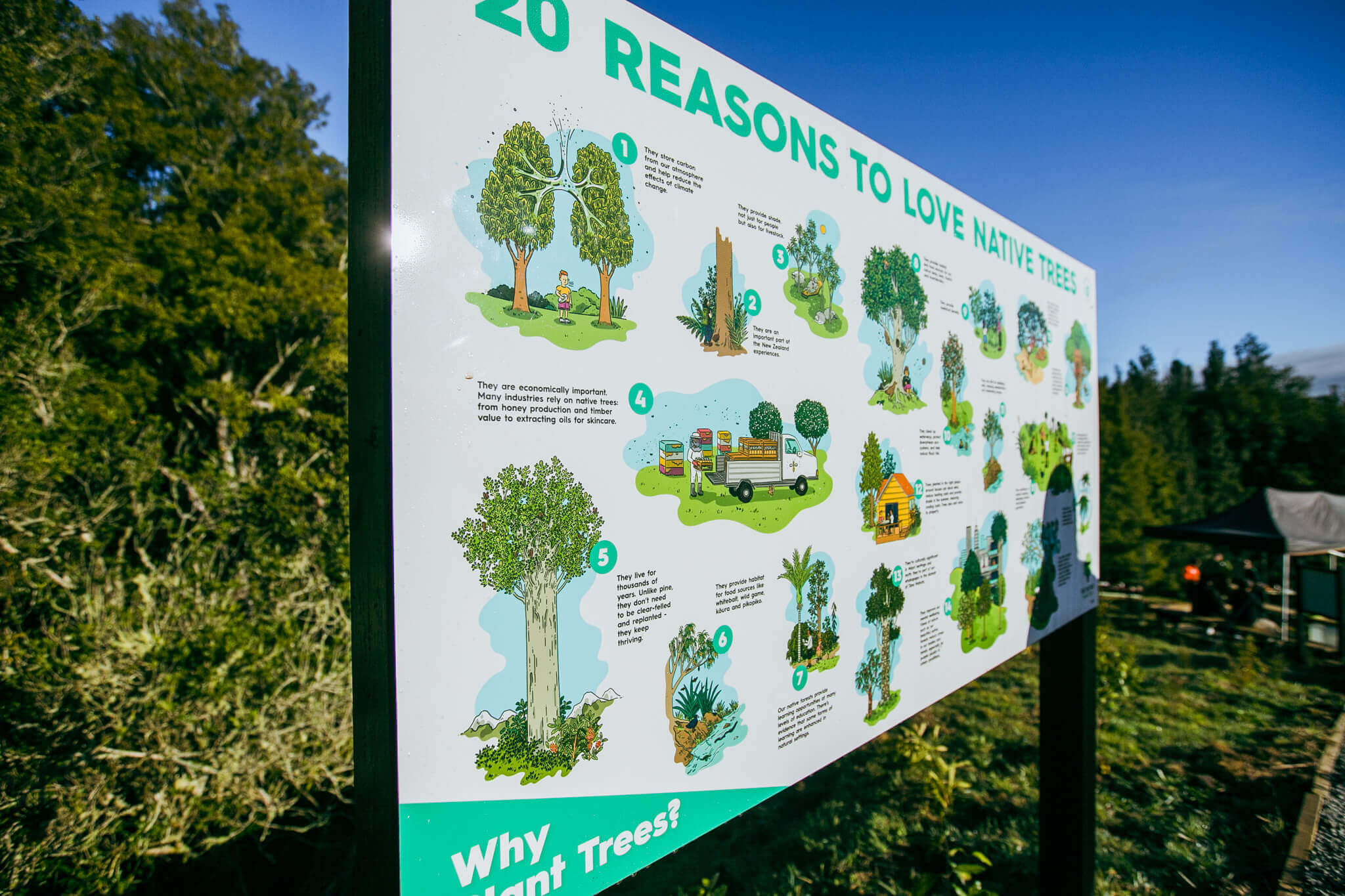
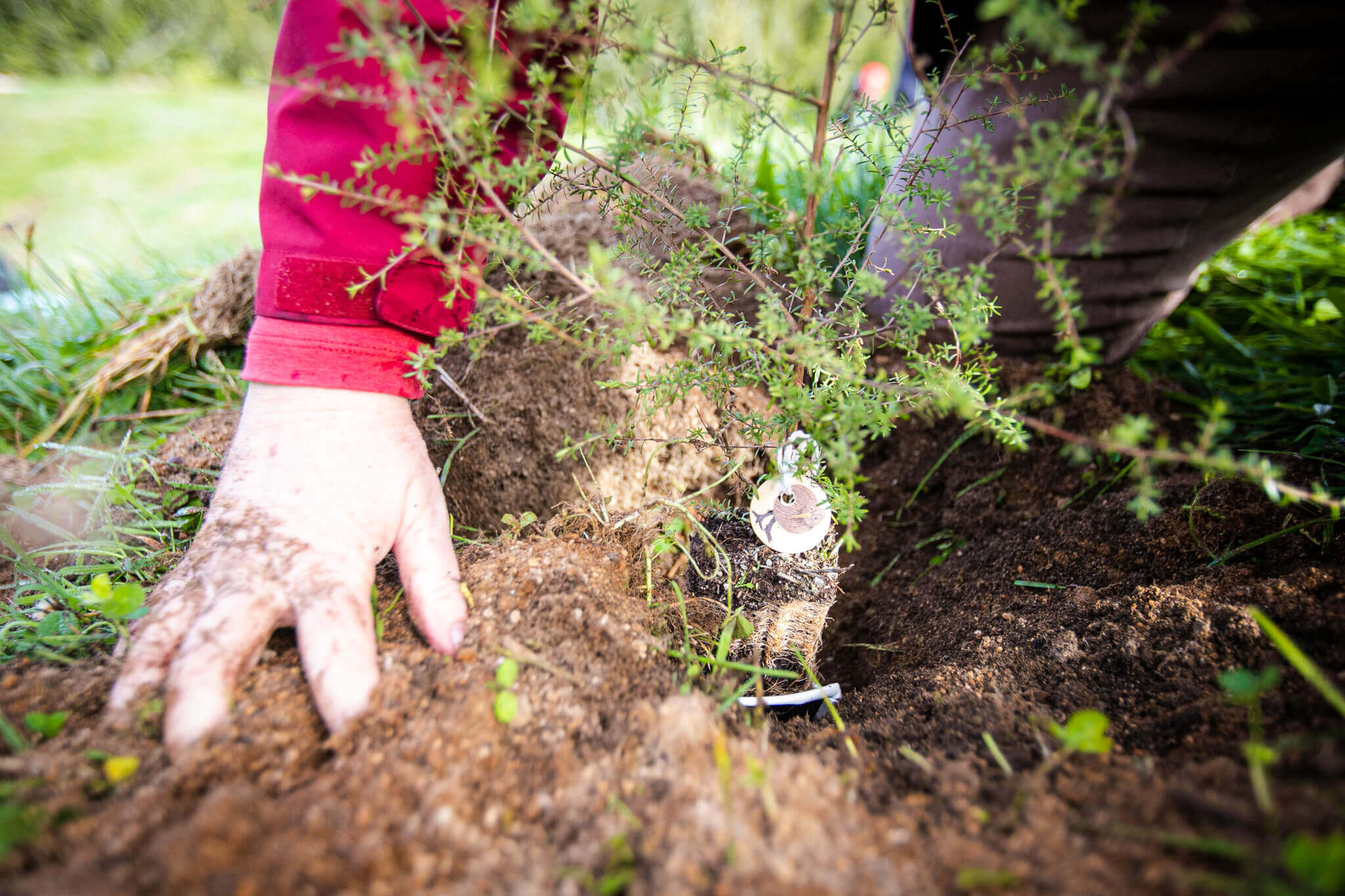
The riparian margins along the Kaituna are being expanded, with exotic weeds removed and native trees planted at the water's edge. Pest control covers 12 hectares and is now happening weekly. Wild goat pressure is being reduced. Community clean-up mornings run regularly. And the vision continues to extend upstream, with hopes that the funding and effort will eventually reach Lake Rotoiti and the 26 scenic reserves that surround it. Each step is small on its own. Together, they are the path toward a drinkable river.
When you book a zipline or rafting experience with us, you are not just buying an adventure. You are contributing to a 100-year vision. That is the kind of tourism we want to build.